 Research Institute
Research on aging and healthspan
Explore the science, companies, institutions, funding, events, and people working to extend healthy human lifespan.
The field
Definition
The science and translation of biological aging, healthspan, lifespan extension, geroscience, senescence, cellular reprogramming, regenerative approaches, longevity therapeutics, biological-age measurement, and longevity medicine.
Field at a glance
The longevity technology stack spans therapeutic platforms, diagnostics, and data infrastructure. Epigenetic reprogramming uses Yamanaka factors (or subsets) to reverse cellular age markers without losing cell identity, the most ambitious therapeutic approach in the field. Senolytics selectively clear senescent cells that accumulate with age and drive chronic inflammation, with small molecules, peptides, and antibody-based approaches in development. Gene therapy delivers genetic modifications that target specific aging mechanisms, such as telomerase activation or mitochondrial DNA repair. Epigenetic clocks (Horvath, GrimAge, DunedinPACE) measure biological age from DNA methylation patterns, providing the most reliable current biomarker of aging rate. Multi-omic profiling (genomics, proteomics, metabolomics, epigenomics) creates comprehensive molecular portraits that identify individual aging trajectories and intervention opportunities. AI-driven drug discovery applies machine learning to identify novel targets in aging biology and design compounds that modulate age-related pathways.
Longevity applications span therapeutic, diagnostic, and consumer wellness domains. In therapeutics, companies are developing senolytics for age-related conditions: Unity Biotechnology targets osteoarthritis with senescent cell-clearing compounds, while others pursue senolytic approaches for pulmonary fibrosis, kidney disease, and neurodegeneration. In diagnostics, biological age tests from TruDiagnostic and others provide individuals with a measurable, trackable indicator of their aging rate that responds to lifestyle interventions, creating actionable health data. In consumer health, longevity clinics like Fountain Life offer comprehensive assessments (full-body MRI, coronary calcium scoring, multi-omic profiling, cognitive testing) that identify disease risks years before symptoms appear. In supplements, companies selling NMN, NR, resveratrol, and rapamycin analogs provide products with varying degrees of scientific support aimed at targeting specific aging mechanisms. In data and analytics, platforms that aggregate biological age, fitness, sleep, nutrition, and biomarker data create personalized aging dashboards that track intervention effectiveness over time.
The global longevity and anti-aging market exceeded $85 billion in 2025, with over $13 billion in cumulative venture funding directed toward longevity science startups. The market spans therapeutic development (senolytics, epigenetic reprogramming, gene therapies targeting aging), consumer health (biological age testing, longevity supplements, health optimization protocols), diagnostics (aging biomarkers, multi-omic panels), and the emerging category of longevity clinics and platforms that connect consumers with evidence-based anti-aging interventions. The sector sits at the intersection of biotech, consumer health, and fundamental aging science, attracting capital from dedicated longevity funds, biotech crossover investors, and high-net-worth individuals with personal conviction in extending healthspan.
Who is working on it, and who is paying for it
The labs, companies and funders doing the work, and the groups helping it along.
Research InstituteResearch on aging and healthspan
 Research Institute
CECAD is a University of Cologne research center studying cellular stress responses in aging and aging-associated diseases.
 Research Institute
Clock Foundation is a UCLA spin-out nonprofit that develops epigenetic aging clocks, including the Horvath mammalian array, and supports ad…
 Research Institute
The Dog Aging Project studies aging in companion dogs and runs TRIAD, a placebo-controlled trial of rapamycin in healthy middle-aged dogs.
 Research Institute
ERIBA at the University Medical Center Groningen does fundamental research on the causes of aging to develop strategies against age-related…
The Healthy Lifespan Institute is a University of Sheffield flagship institute researching the biology of aging and multimorbidity.
The Einstein Institute for Geroscience, formerly the Institute for Aging Research, studies the biological pillars of aging to develop thera…
 University
The FLI in Jena is a German Leibniz institute dedicated to basic research on the biology of aging and age-related disease.
 Research Institute
Research and public-interest longevity media
 Research Institute
The Longevity Consortium is an NIA-supported research network studying exceptional human longevity that offers Translational Opportunity Fu…
 Research Institute
The LEV Foundation runs combination-intervention rejuvenation studies in mice aimed at extending healthy lifespan.
 Research Institute
Biology of aging research
 Research Institute
The NIA-funded Nathan Shock Centers are eight research centers that provide cores, pilot awards and resources for basic biology of aging re…
 Research Institute
The Harvard Glenn Center groups laboratories studying the genetics and epigenetics of aging with the goal of interventions that extend heal…
The Kogod Center on Aging at Mayo Clinic conducts research on the biology of aging, including cellular senescence, and translates it into c…
 Research Institute
The Barshop Institute at UT Health San Antonio runs research centers, cores and clinical trials on the biology of aging and age-related dis…
The UCL Institute of Healthy Ageing is a research center on the biology of aging and aging-related disease using yeast, worms, flies and sh…
 Research Institute
The University of Copenhagen Center for Healthy Aging was an interdisciplinary center on the biology and health of aging.
 University
The Geneva College of Longevity Science offers an executive master's and a PhD specialization focused on longevity medicine and the biology…
 Research Institute
A Stanford research center examining how technology, policy, and behavior can improve longer lives.
 Venture Capital
Funding the future of longevity.
 Grant Maker
The Amaranth Foundation funds longevity and neuroscience research and publishes the Bottlenecks of Aging analysis.
 Grant Maker
Funding aging research
 Venture Capital
Transforming healthcare for aging populations.
 Grant Maker
The Glenn Foundation funds research on the biological mechanisms of aging, including the network of Paul F. Glenn Centers for Biology of Ag…
 Venture Capital
Investing in the future of longevity biotech.
 Grant Maker
Extending healthy human lifespan through research and innovation.
 Venture Capital
Immortal Dragons is a Singapore-based $40 million longevity fund investing in pre-seed to Series A life extension startups and in other lon…
 Venture Capital
Investing in rejuvenation biotech for healthier lifespans.
 Venture Capital
Investing in the future of biotechnology and longevity.
 Grant Maker
Advancing human longevity through innovative research funding.
 Venture Capital
Investing in the future of longevity.
 Grant Maker
Extending healthy human lifespan through biotechnology.
 Venture Capital
The Methuselah Fund is a venture fund affiliated with the Methuselah Foundation that invests in companies extending healthy human lifespan…
 Grant Maker
Norn Group is a longevity do tank that runs Impetus Grants, talent programs and field roadmapping to speed aging research into medicines.
 Venture Capital
Investing in revolutionary technology for a better future.
 Grant Maker
U.S. health research agency funding ambitious programs, including organ-chip work in space.
 Family Office
Investing in the future of longevity and mental health.
 Grant Maker
The Hillblom Foundation funds California research on diseases of aging, mainly brain and vision, and has made 185 aging-related grants.
 Venture Capital
Investing in the future of longevity.
 Venture Studio
The Longevity Company Builder
 Venture Capital
Investing in the future of neuroAI and longevity.
 Venture Capital
Investing in the future of longevity biotechnology.
 Grant Maker
Wellcome Leap runs the $60M Dynamic Resilience program to find biomarkers and mechanisms of resilience and frailty in aging.
 Grant Maker
Incentive competitions for breakthroughs
 Startup
Cellular rejuvenation research
 Startup
Amplifier Therapeutics, a Cambrian Bio pipeline company, develops AMPK activators to counter the age-related decline in AMPK signaling.
 Startup
Therapeutics from human aging data
 Startup
Aging biology and therapeutics
 Startup
Medicines for healthspan
 Startup
cellvie develops mitochondria transplantation therapies for ischemia-reperfusion injury and aging-related degeneration.
 Startup
clock.bio maps genes that regulate cellular aging and measures cell age with machine learning to develop rejuvenation interventions, starti…
 Startup
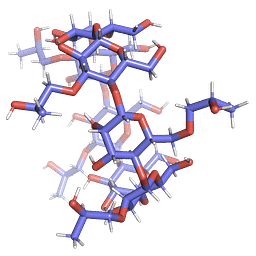
Cyclarity Therapeutics, a SENS Research Foundation spinout formerly called Underdog Pharmaceuticals, develops a cyclodextrin that removes 7…
 Startup
Deciduous Therapeutics develops immunotherapies that restore the immune system's ability to clear senescent cells that drive age-related di…
 Startup
Deep Longevity develops deep learning aging clocks for blood, psychological and other data and licenses them through its SenoClock platform…
 Startup
Elastrin Therapeutics develops targeted therapies that reverse arterial calcification and restore vascular elasticity lost with age.
 Startup
Fountain Therapeutics uses stem cell assays and machine learning to find drugs that reverse cellular aging, with programs in skin atrophy a…
 Startup
Generation Lab offers a blood-based SystemAge test that measures biological aging across body systems, built on the aging research of co-fo…
 Startup
Genflow Biosciences is a London-listed company developing a centenarian SIRT6 gene therapy targeting the aging process in humans and dogs.
 Startup
Gero uses AI and human longitudinal data to design drugs that treat aging as a system-level failure.
 Startup
GlycanAge measures biological age from IgG glycans, a test derived from two decades of research linking glycosylation to inflammation and a…
 Startup
Gordian Biotechnology runs pooled in vivo gene therapy screens with single-cell readouts in animal models of age-related disease to find th…
 Startup
Immunis develops a stem cell-derived secretome therapy to reverse age-acquired immune decline and related muscle loss.
 Startup
Integrated Biosciences combines aging biology, chemistry and AI to discover small molecules against age-related disease and aging itself.
 Startup
Intervene Immune runs the TRIIM-X thymus regeneration trial, following the TRIIM study that reported reversal of epigenetic age in humans.
 Startup
Junevity develops siRNA therapeutics from its RESET platform that repress transcription factors to reset gene networks altered by aging.
 Startup
Juvena Therapeutics uses AI to develop protein therapeutics derived from the stem cell secretome to restore regenerative capacity in aging…
 Startup
Juvenescence is a clinical-stage biotech developing small molecules, biologics and cell therapies that target core mechanisms of aging to t…
 Startup
Cellular rejuvenation therapeutics
 Startup
Loyal is a clinical-stage veterinary company developing drugs to extend the healthy lifespan of dogs, led by LOY-002 for senior dogs.
 Startup
LyGenesis uses lymph nodes as bioreactors to grow ectopic livers and other organs, now in a Phase 2a trial for end-stage liver disease.
 Startup
Matter Bio develops therapies that preserve genomic integrity by addressing somatic mutations that accumulate with age.
 Startup
MetroBiotech (Metro International Biotech) develops pharmaceutical NAD+ boosters, led by MIB-626 in Phase 2 trials.
 Startup
Minovia Therapeutics develops mitochondrial augmentation therapies for mitochondrial disease and positions aging as a mitochondrial disease.
 Startup
Mitrix Bio grows mitochondria in bioreactors and transplants them to treat age-related decline and extend healthy lifespan.
 Startup
Epigenetic reprogramming medicines
 Startup
Oisín Biotechnologies develops non-viral genetic medicines for age-related disease, including senescent cell clearance, klotho and muscle p…
 Startup
Ora Biomedical screens large compound libraries for lifespan extension in model organisms through its Million-Molecule Challenge to find he…
 Startup
Rejuve Biotech builds an AI research platform that combines knowledge graphs and neural-symbolic AI to generate and test hypotheses for the…
 Startup
 Startup
Rejuvenate Biomed is a Belgian company developing combination drugs for age-related disease, led by RJx-01 in Phase 2 for sarcopenia.
 Startup
Rejuvenation Technologies develops telomerase mRNA therapeutics intended to reverse aging and prevent age-related disease.
 Startup
Repair Biotechnologies develops a Cholesterol Degrading Platform to clear localized cholesterol accumulations that drive age-related diseas…
 Startup
 Startup
Revel Pharmaceuticals develops therapeutic enzymes that break glucosepane crosslinks and other age-related molecular damage in the extracel…
 Startup
Senescence-targeted therapeutics
 Startup
Samsara Therapeutics is an Apollo Health Ventures company developing autophagy-activating drugs for age-related neurodegenerative diseases.
 Startup
SENISCA develops oligonucleotide therapies that restore splicing factor levels to reprogram senescent cells to a more youthful state.
 Startup
Shift Bioscience combines single-cell aging clocks and virtual cell models to discover gene targets that rejuvenate aged cells, with lead p…
 Startup
SIWA Therapeutics develops a monoclonal antibody that targets and removes senescent cells for age-related disease and cancer.
 Startup
Tolerance Bio develops therapies that restore and preserve thymus function to extend immune healthspan.
 Startup
TruDiagnostic runs a DNA methylation lab that sells epigenetic biological age tests and develops aging clocks such as OMICmAge and SYMPHONY…
 Startup
Turn Biotechnologies develops mRNA-based epigenetic reprogramming therapies (ERA platform) to restore cell function lost with age.
 Startup
Vincere Biosciences develops drugs that enhance mitophagy to counter age-related decline, starting with Parkinson's disease.
 Startup
YouthBio Therapeutics develops partial cellular reprogramming gene therapies for Alzheimer's disease and other age-related brain diseases.
 Startup
Aeovian Pharmaceuticals develops selective mTORC1 inhibitors for rare and age-related diseases, led by AV078 for tuberous sclerosis complex.
 Startup
AgelessRx is a telehealth provider of longevity prescriptions such as rapamycin and metformin that also sponsors decentralized longevity tr…
 Startup
AgeX Therapeutics was a Michael West company developing induced tissue regeneration and cell therapies for age-related degenerative disease.
 Startup
Alkahest mines the plasma proteome for therapies and biomarkers of age-related disease, building on young-plasma research.
 Startup
Dorian Therapeutics was a Stanford spinout developing small-molecule senoblockers that neutralize harmful senescent cells.
 Startup
Elevian develops GDF11-based and other circulating-factor therapeutics to restore regenerative capacity lost with age.
 Startup
Emtora Biosciences developed eRapa, an encapsulated rapamycin first created for aging studies at the Barshop Institute, and licensed it to…
 Startup
Epiterna was a Swiss company that used high-throughput screening to develop drugs extending healthy lifespan in dogs, cats and humans.
 Startup
Human Longevity runs genomics and imaging based early-detection health assessments marketed for longer life.
 Startup
InsideTracker sells blood biomarker analysis with an InnerAge biological age score and lifestyle recommendations.
 Startup
Transforming drug discovery with AI.
 Startup
Longeveron develops the mesenchymal stem cell therapy laromestrocel for aging-related conditions such as Aging Frailty and Alzheimer's as w…
 Startup
Optimizing healthspan through preventive medicine.
 Startup
Oviva Therapeutics develops therapies that improve ovarian function to slow ovarian aging and extend female healthspan.
 Startup
Renewal Bio builds human embryo models from stem cells with the aim of producing cells and tissues for rejuvenation and transplantation.
resTORbio developed the TORC1 inhibitor RTB101 to improve immune function in older adults, one of the first aging-targeted drugs in late-st…
 Startup
Satellite Bio develops expandable hepatocyte tissue therapeutics to replace lost liver function in severe liver disease.
 Startup
Tally Health sells a consumer epigenetic biological age test with supplements and action plans.
 Startup
Tornado Therapeutics is a Cambrian Bio pipeline company developing next-generation rapalogs to treat disease and extend healthy lifespan.
 Startup
Biotechnology company targeting aging-related diseases.
 Community
Longevity Global is a network of city chapters and events that connects longevity researchers, investors and entrepreneurs.
 Community
Connecting the longevity biotechnology ecosystem.
 Community
Decentralized funding for longevity research.
 Community
Advancing health and longevity through collaboration.
 Nonprofit Ecosystem Builder
The Academy of Geroscience, formerly the Academy for Health and Lifespan Research, is a membership body of leading aging biologists that pu…
 Media Publication
Aging-US is a peer-reviewed journal published by Impact Journals dedicated to aging research and the biology of age-related disease.
Aging Biotech Info publishes structured, curated tables of aging and longevity biotech companies, nonprofits and resources.
 Policy Advocacy
A4LI is a 501(c)(4) nonprofit that lobbies for policy and funding to combat age-related disease and supports the Congressional Longevity Sc…
 Nonprofit Ecosystem Builder
AGE is a scientific society for biology of aging researchers that publishes the journal GeroScience and holds an annual meeting.
 Nonprofit Ecosystem Builder
The Biomarkers of Aging Consortium convenes researchers to validate and standardize biomarkers of aging, runs the Biolearn open-source tool…
 Nonprofit Ecosystem Builder
The BSRA is a UK charity and learned society that funds and convenes research on the biology of ageing through grants, awards and an annual…
 Nonprofit Ecosystem Builder
The Dog Aging Institute is a nonprofit that supports research on aging in companion dogs, including the Dog Aging Project.
 Media Publication
Fight Aging! is a longevity science and advocacy blog and newsletter, running since 2004, covering rejuvenation biotechnology.
 Nonprofit Ecosystem Builder
Forever Healthy is a German nonprofit that publishes evidence reviews of longevity interventions and hosts the Rejuvenation Startup Summit…
 Policy Advocacy
HEALES is a Belgian nonprofit that informs the public about biogerontology, supports anti-aging research and publishes the monthly newslett…
 Research Data Provider
Human Ageing Genomic Resources maintains curated aging databases such as GenAge, DrugAge, AnAge, CellAge and LongevityMap for the research…
 Policy Advocacy
The International Longevity Alliance is a global federation of longevity advocacy groups that promotes research on aging and organizes inte…
 Policy Advocacy
The Kitalys Institute is a nonprofit that advances healthspan-extending therapies and runs the Targeting Healthy Longevity series, formerly…
 Policy Advocacy
LongeviPAC is a US political action committee that supports candidates backing policies for interventions that extend healthy human lifespa…
 Other
Other Event Organizer
Longevity Events organizes Longevity Summit Dublin, an annual science-led conference on aging biology and rejuvenation held at Trinity Coll…
 Nonprofit Ecosystem Builder
LongX is a nonprofit that trains students and early-career professionals for the longevity field through primer courses and the remote Xplo…
 Other
OtherConnecting science and investment in the longevity sector.
 Research Data Provider
Magnitude Biosciences is a contract research company that runs automated C. elegans healthspan and lifespan assays for aging and longevity…
 Government Agency
The US federal institute leading and funding research on aging, older adults, and age-related health.
 Other
OtherRedefining healthspan through education and research.
 Event Organizer
The Longevity Forum is a UK not-for-profit that runs an annual forum and London Longevity Week on the science, finance and policy of longer…
 Competition
The Longevity Prize is a joint prize platform of Foresight Institute, VitaDAO, Methuselah Foundation, Lifespan.io and XPRIZE that runs rese…
 Fellowship
The Time Initiative is a fellowship program, run with Amaranth Foundation and AFAR, that funds young researchers to pursue projects in agin…
 Research Data Provider
Aging Analytics Agency publishes reports and dashboards on the longevity industry, investment and biomarker ecosystem as part of Deep Knowl…
 Policy Advocacy
The Alliance for Aging Research is a US nonprofit that advocates for research and policy on healthy aging and age-related disease.
 Nonprofit Ecosystem Builder
GSA is a large interdisciplinary society for aging research whose members and journals include a biological sciences section.
 Policy Advocacy
The Healthspan Action Coalition promotes policy and funding for research and innovation that extend healthspan.
 Other
OtherHealthy Longevity Clinic is a physician-led longevity clinic that pairs diagnostics with its own clinical research.
 Competition
The National Academy of Medicine's Healthy Longevity Global Grand Challenge awards prizes to innovations in healthy longevity and hosts an…
 Research Data Provider
Ichor Life Sciences is a preclinical and clinical CRO that offers geriatric animal models and lifespan studies alongside general drug disco…
The names to know
Showing 24 of 191
 Person
 Person
 Person
 Person
Founder and CEO of Insilico Medicine and co-organizer of the Aging Research and Drug Discovery meeting.
 Person
 Person
Co-Founder at Apollo Health Ventures | Biotech Investor & Longevity Thought Leader
 Person
 Person
 Person
 Person
 Person
 Person
 Person
 Person
 Person
 Person
 Person
 Person
 Person
 Person
Money and ways in
courseThe Butler-Williams Scholars Program trains early-career researchers in aging research, grant writing and NIA funding.
fellowshipFunded PhD positions in the biology of ageing at the Max Planck Institute for Biology of Ageing and partner institutes in Cologne.
 competition
The LIC Start-Up Innovation Catalyst selects up to 9 longevity startups to present at the Longevity Investors Conference in Gstaad; package…
fellowshipThe LongeVC Fellowship places MS, PhD and postdoc researchers part-time on a longevity VC investment team.
fellowshipLongevity Biotech Fellowship is Longevity Biotech Fellowship's fellowship offering a community for building and launching longevity biotech…
competitionLongevity Global's NYC AI x Longevity Pitch Competition selects Seed and Series A companies to pitch; the 2026 grand prize was six months o…
 eirfellowship
Nexus is a selective community for people committed to longevity that runs deep dives and awards some members fellowships at Norn Group.
fellowshipThe Summer Scholars program places undergraduates in aging research labs for 10 to 12 weeks with a stipend.
 course
MBL's Biology of Aging is an immersive research course that teaches newcomers the fundamentals and methods of geroscience.
fellowshipMSTAR funds 8 to 12 week aging research placements for US medical students.
 fellowship
The VitaDAO Longevity Fellowship gives small grants to students and early-career people to attend conferences, visit labs or run projects i…
fellowshipThe Time Initiative funds young researchers to pursue ambitious projects in aging biology.
residencyThe mini-sabbatical funds researchers to train in aging-research techniques at the Wisconsin Nathan Shock Center.
fellowshipThe Xplore Program is a remote summer fellowship that combines aging biology courses with project placements at longevity organizations.
 fellowship
Apollo Health Ventures Moonshot Venture Fellowship is Apollo Health Ventures' fellowship offering immersive training for PhD-level scientis…
courseThe EMSc Longevity is a 12-month distance program on the biology and clinical application of healthy aging.
 fellowship
The Foresight Fellowship is a year-long program giving early-career scientists mentors, paid travel to Foresight events and access to its A…
 accelerator
Springboard's Longevity Accelerator supports women-led seed to Series A companies building healthspan, care and aging-economy products.
 competition
The Longevity Show Pitch Competition selects a Top 30 of longevity startups, with five pitching live in London; 2026 entries are closed and…
Next door
Biomarkers identifying and tracking biological aging
Technology enabling seniors to live independently at home
Technology preserving biological samples and organisms
Therapies reversing epigenetic age and cellular aging
Interventions extending healthy years of life
Medical centers focused on aging research and interventions
Is this page right?How the research works


